
Mobile floor coverings · Dance floor
Dance & multi-purpose floor 100 m² in about 30 minutes – without kneeling
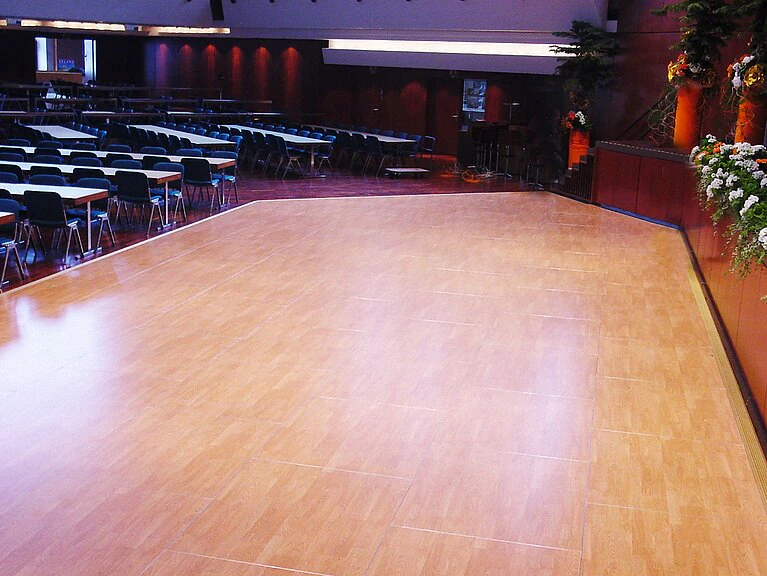
Mobile
Multipurpose Floor
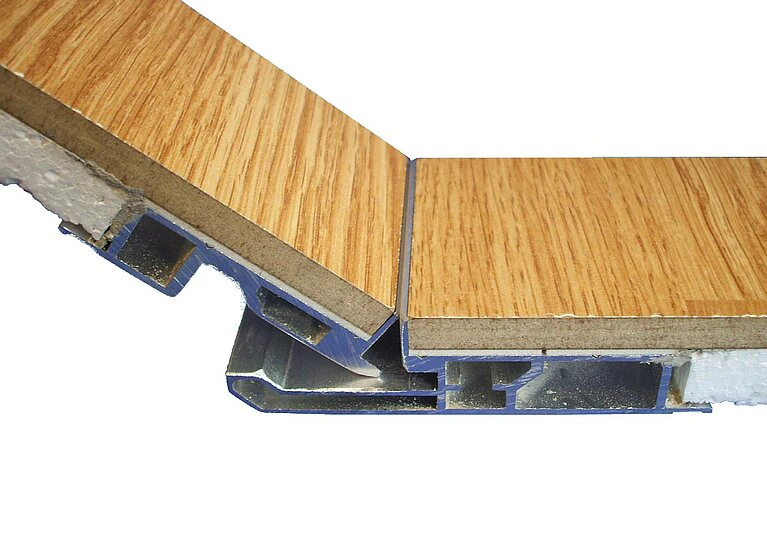
Easy Installation System
with Tongue & Groove
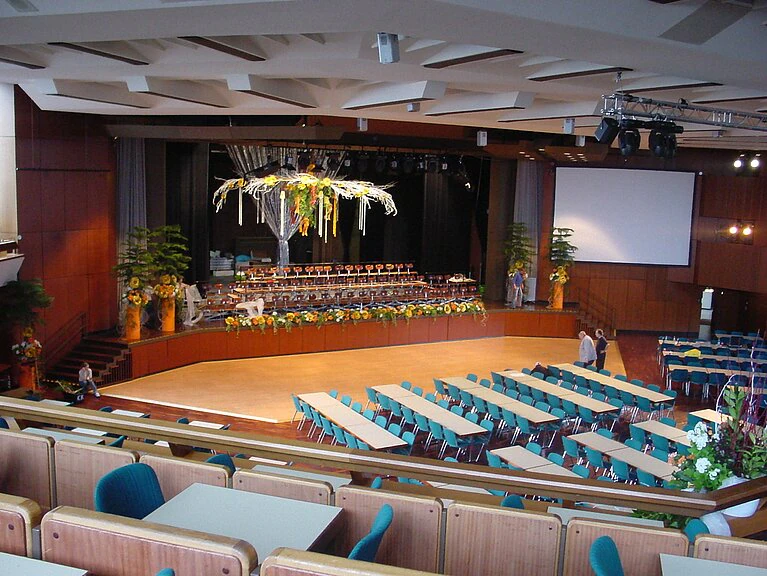
Multipurpose Floor
in use.
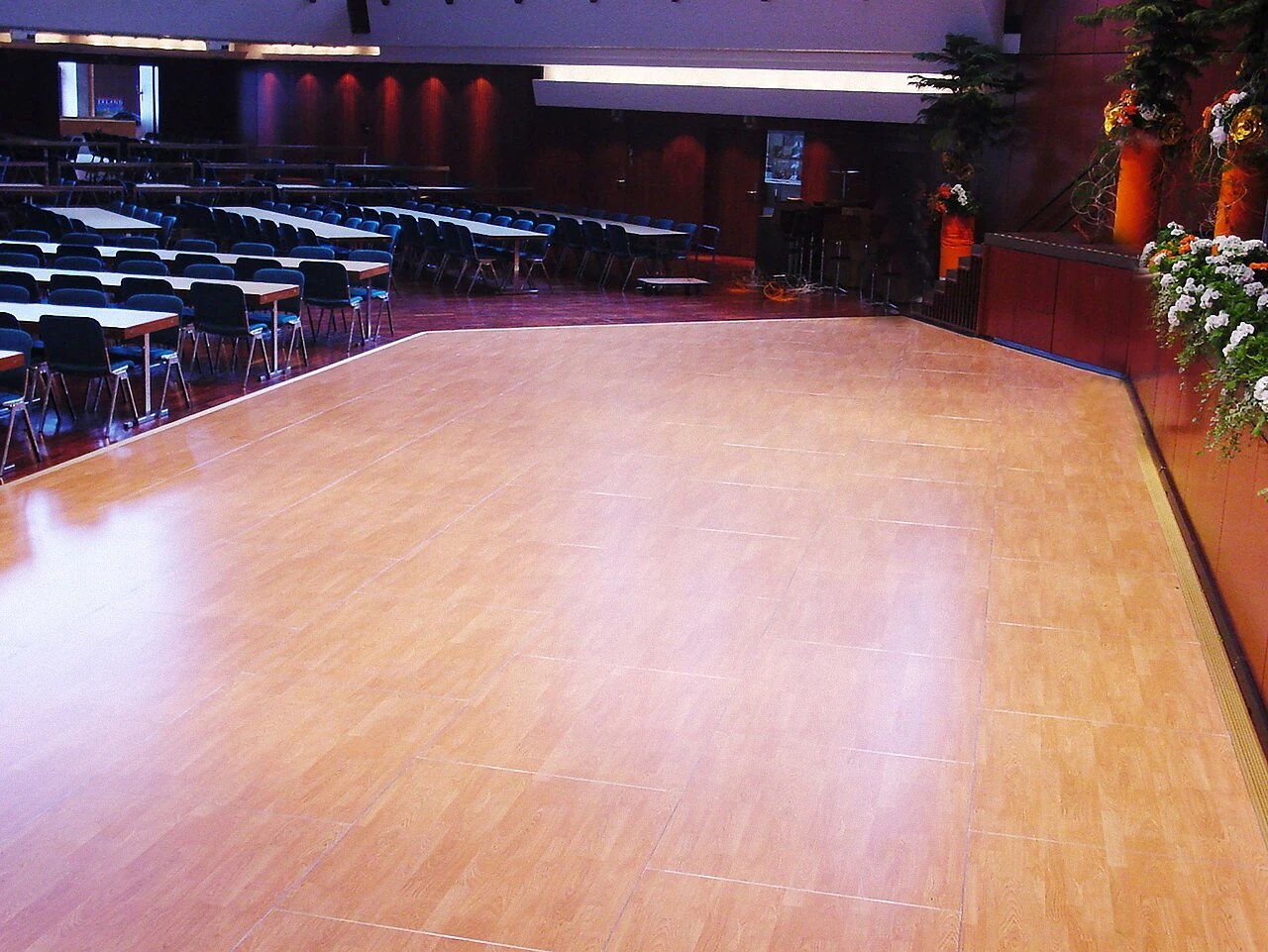
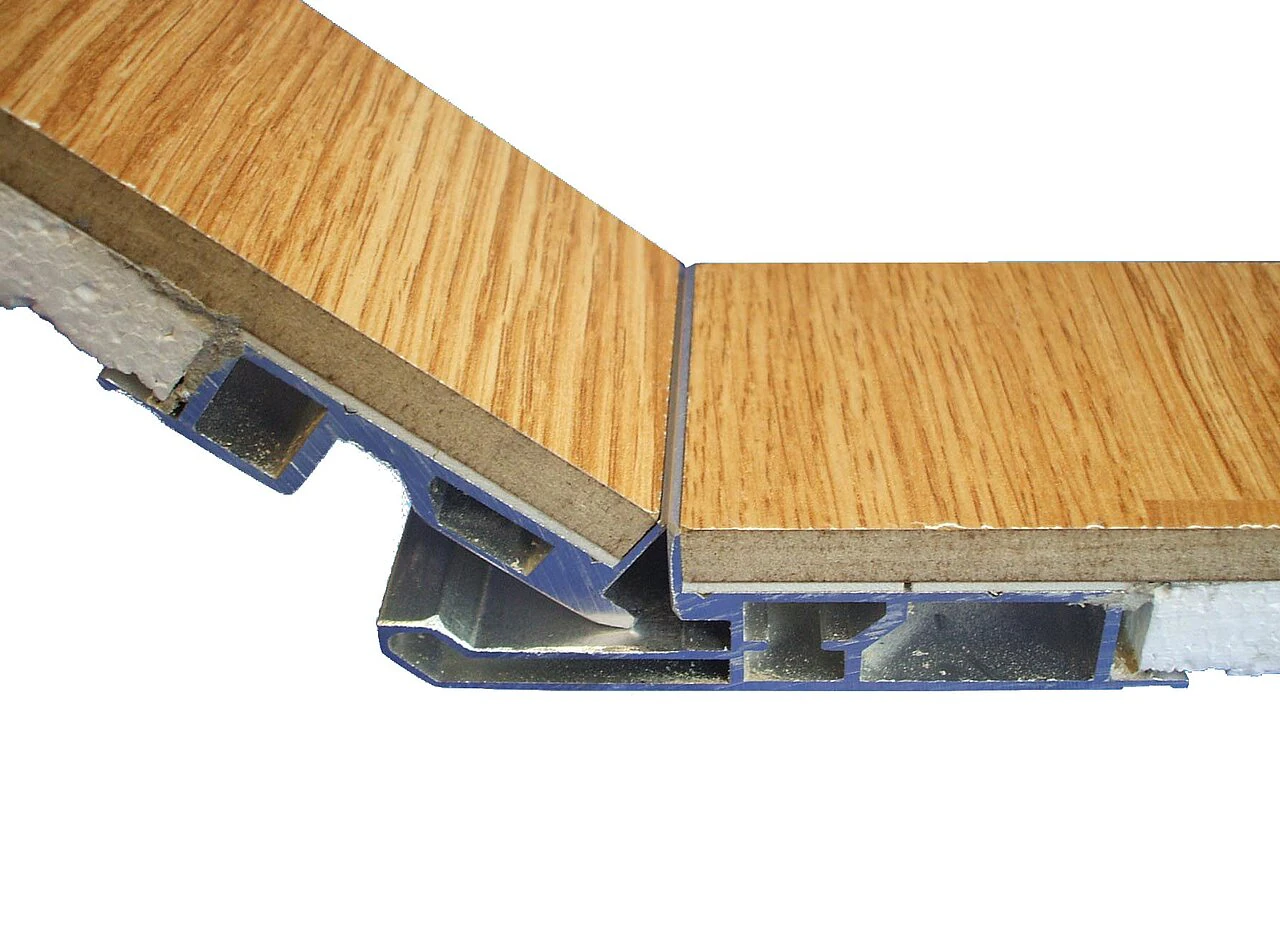
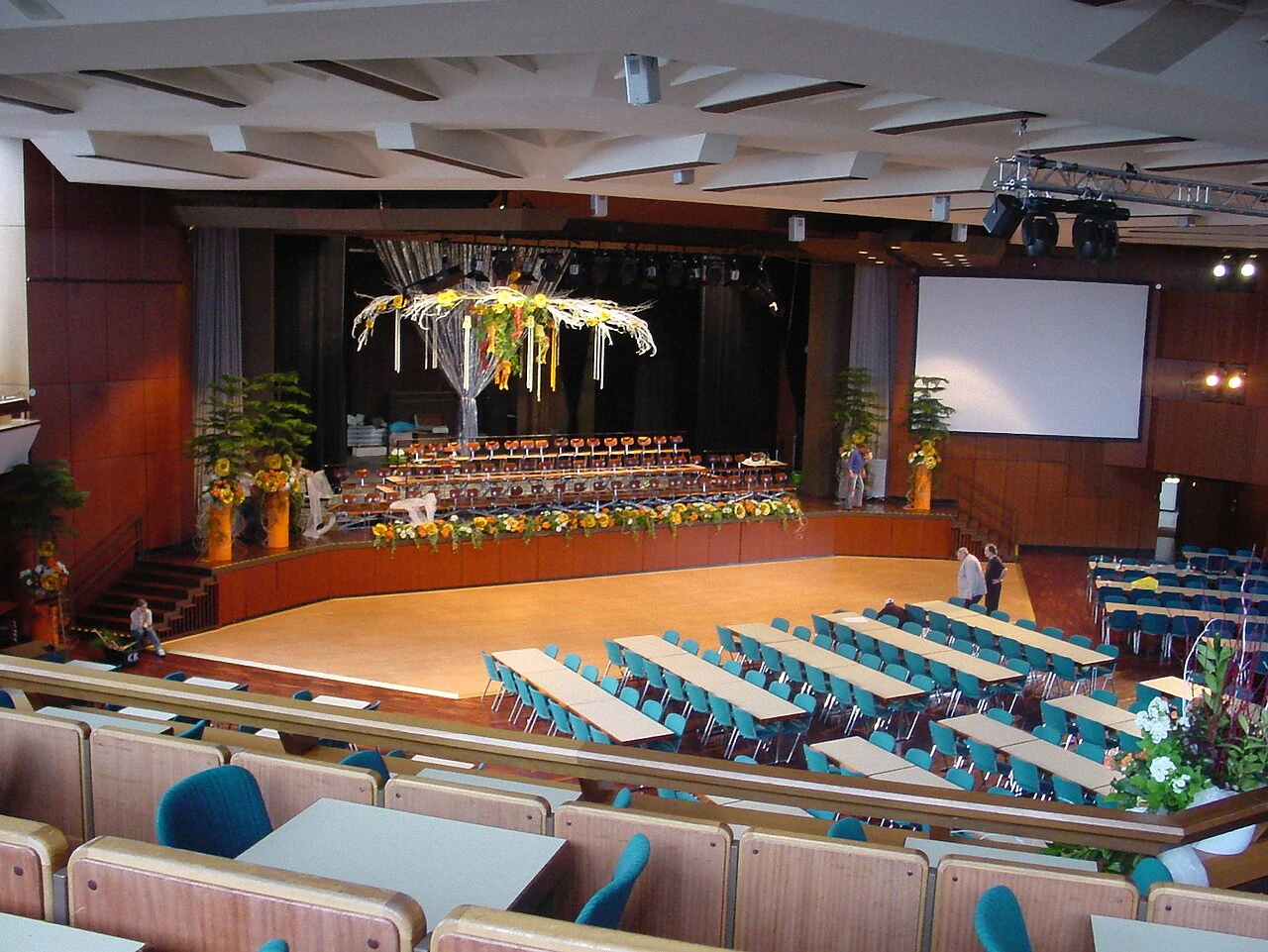

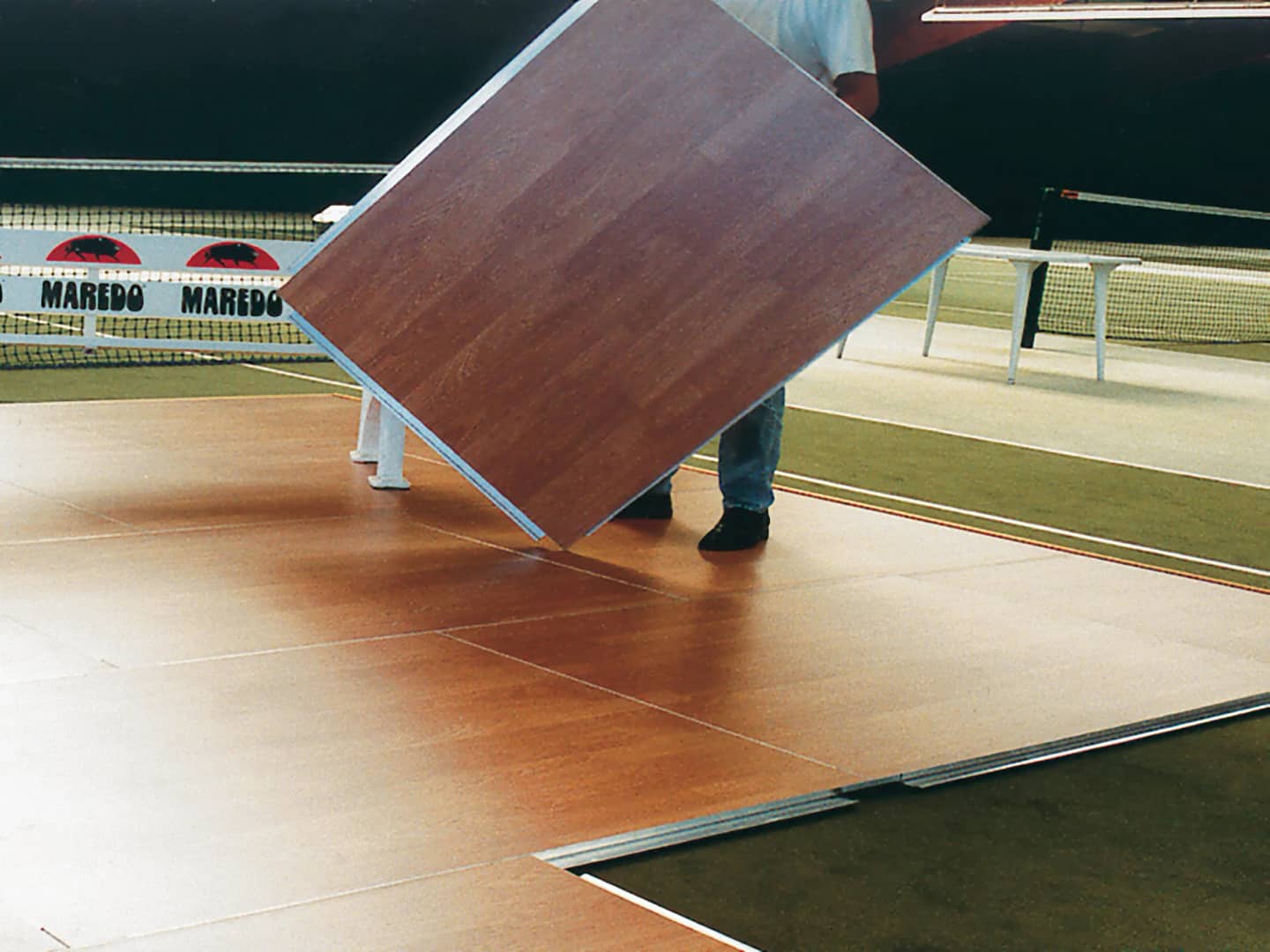
Each panel is set in upright and laid down, and it is connected. No screws, no hooks, no tools, and nobody has to kneel. The laminate surface wears less than real wood. With a chipboard base it even takes a forklift, and with film-faced plywood it goes outdoors.
- Laying100 m² in approx. 30 min
- Surfaceslaminate, linoleum, LED, acrylic; outdoors film-faced
- Panels125 × 100 cm
- Durabilityforklift-proof with chipboard base
- Connectionscrewless, tool-free
Benefits
No hooks, no bolts Nothing on this floor can break off
No tools
The connection has no screws. Laying needs no aids at all – no hammer, no spanner.
Laid without kneeling
The panels are connected standing up. That spares knees and backs, especially when temporary helpers and volunteers lay the floor.
No wearing parts
There are no protruding locking hooks that break off and no bolts that wear loose. The connection runs along the full length of the panel.
Takes a forklift
With a chipboard panel as the base, a forklift can drive on the floor. This matters for trade fair and shop fitting.
Also for outdoors
With film-faced plywood as the surface, the multi-purpose floor becomes an outdoor floor.
Surface of your choice
Standard is beech laminate in a ship's deck pattern. Indoors also linoleum, LED panels or acrylic glass; other decors on request.
How it works
Tongue, nose, brick bond Why the floor holds without screws
The aluminium profiles on the panel edges have a tongue and a nose. The connection needs nothing more.
Set in and lay down
The panel is stood upright with its nose in the profile with the tongue, then laid down. That closes the connection.
Four corners never meet
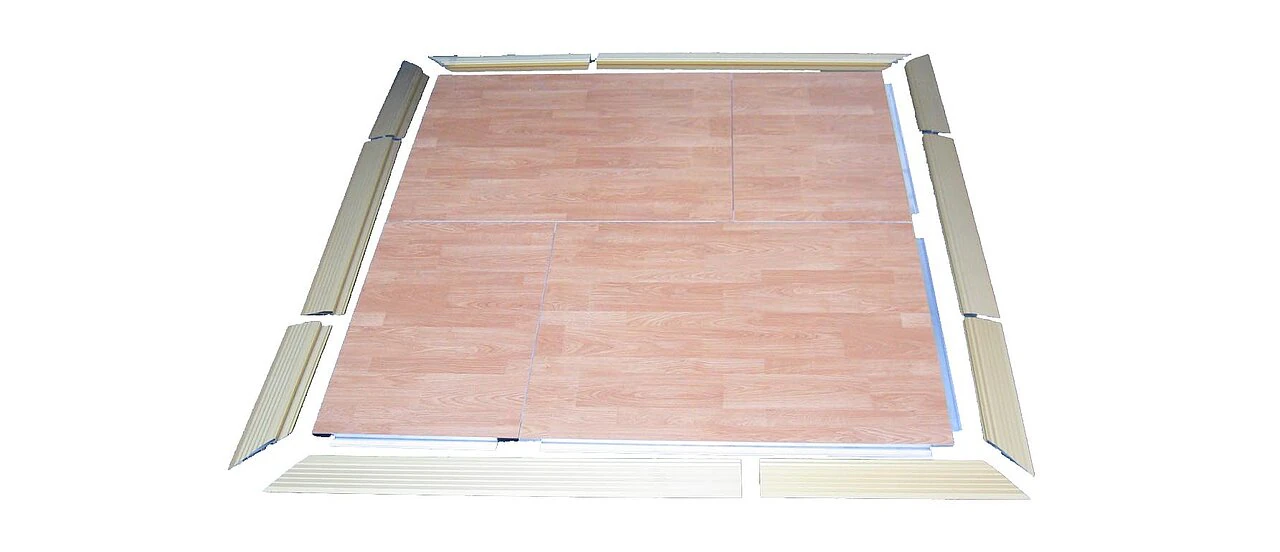
Row 1 starts with a full panel, row 2 with a half panel. So there are no cross joints, and the rows hold each other.
Two panel types
The D panel with a double nose forms the left edge; the standard panel forms the middle and the right edge. The laying instructions show the order.
Bevelled edge
A 12 cm wide aluminium profile in gold or silver frames the floor. It holds the floor together and stops people tripping as they step on.
Technical data
Dance & multi-purpose floor All data at a glance
Panels
- Panel sizes
- 125 × 100 cm, half panel 67.5 × 100 cm
- Total thickness
- 25 mm
- Standard decor
- beech laminate (ship's deck pattern)
- Indoor surfaces
- laminate, linoleum, LED panels, acrylic glass; others on request
- Outdoor surface
- film-faced plywood
- Load
- high load capacity; forklift-proof with a chipboard base
- Cleaning
- standard cleaning agents
Laying and storage
- Connection
- screwless, tongue and nose, no aids
- Laying pattern
- brick bond (staggered rows)
- Laying time
- 100 m² ready for use in approx. 30 minutes
- Edge
- aluminium profile, gold or silver, 12 cm wide, bevelled
- Storage
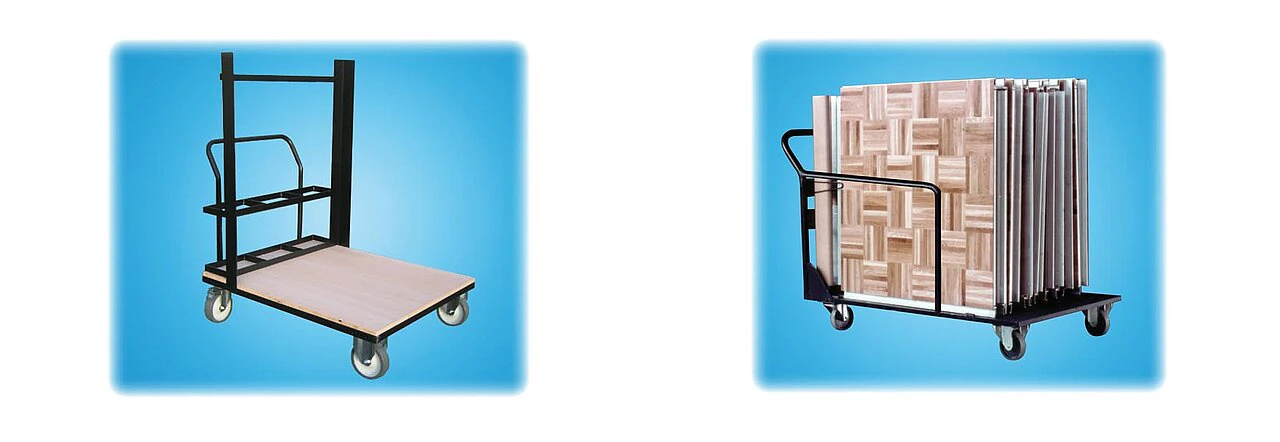
- transport trolleys for up to 50 panels, flat or upright
Accessories
Works with Accessories and systems for Dance & multi-purpose floor
Everything that goes with this product, sorted by task. Add parts straight to your enquiry.
Comparison
Comparable systems The alternatives side by side
Same job, different focus – the key specs next to each other.

Dance & multi-purpose floor
This page- Panels
- 125 × 100 cm
- Laying
- 100 m² in approx. 30 min
- Surfaces
- laminate, linoleum, LED, acrylic; outdoors film-faced

- Panels
- 95 × 95 cm, half panel 47.5 × 95 cm
- Laying
- 100 m² in approx. 30 min
- Surfaces
- –
Laying principle
Laying plan and trolleys Brick bond and storage for up to 50 panels
Where it is used
One floor, many uses Where the multi-purpose floor is laid
Festival and multi-purpose halls
A dance floor for gala, graduation ball and club party, taken up again the next day.
Hotels, meetings, conferences
Dance and multi-purpose panels with laminate for rooms that change use.
Trade fairs and shops
A floor you use again and again; with chipboard base also for forklift traffic during set-up.
Tours and large events
A durable floor that lasts through many set-ups and take-downs, also in rental stock.
References
In use Dance floors, trade fair stands, stage floors


Downloads
Brochure and laying instructions Everything on the dance & multi-purpose floor
For planners
Tender text / CADOn request – we send you tender texts and CAD data for your project.Request
Questions
Questions about the dance & multi-purpose floor
Laminate or parquet: which is tougher?
Laminate. The surface is hard-wearing and wears little, even under heavy use, and here it is better than real wood. If dancers need the feel of real wood for competitions, choose the parquet dance floor.
Can a forklift drive over the floor?
Yes, if a chipboard panel is used as the base. For extreme conditions there are special versions with reinforced carrier panels.
Does the floor fit around columns and slopes?
There are special panels for slopes and projections. Tell us where the obstacles are, and we plan the floor area.
Can the floor lie on carpet?
Yes. On carpet, a felt brake is used under the floor.
Where do I store the panels?
On matching transport trolleys for up to 50 panels, stored flat or upright. The panels roll straight to where they are laid.
How large should the floor be? We put together panels, edging and trolleys
Tell us the area, the use and the surface you want. You receive a recommendation and a quote.
Dance & multi-purpose floor
100 m² in approx. 30 min100 m² in approx. 30 min · laminate, linoleum, LED, acrylic; outdoors film-faced